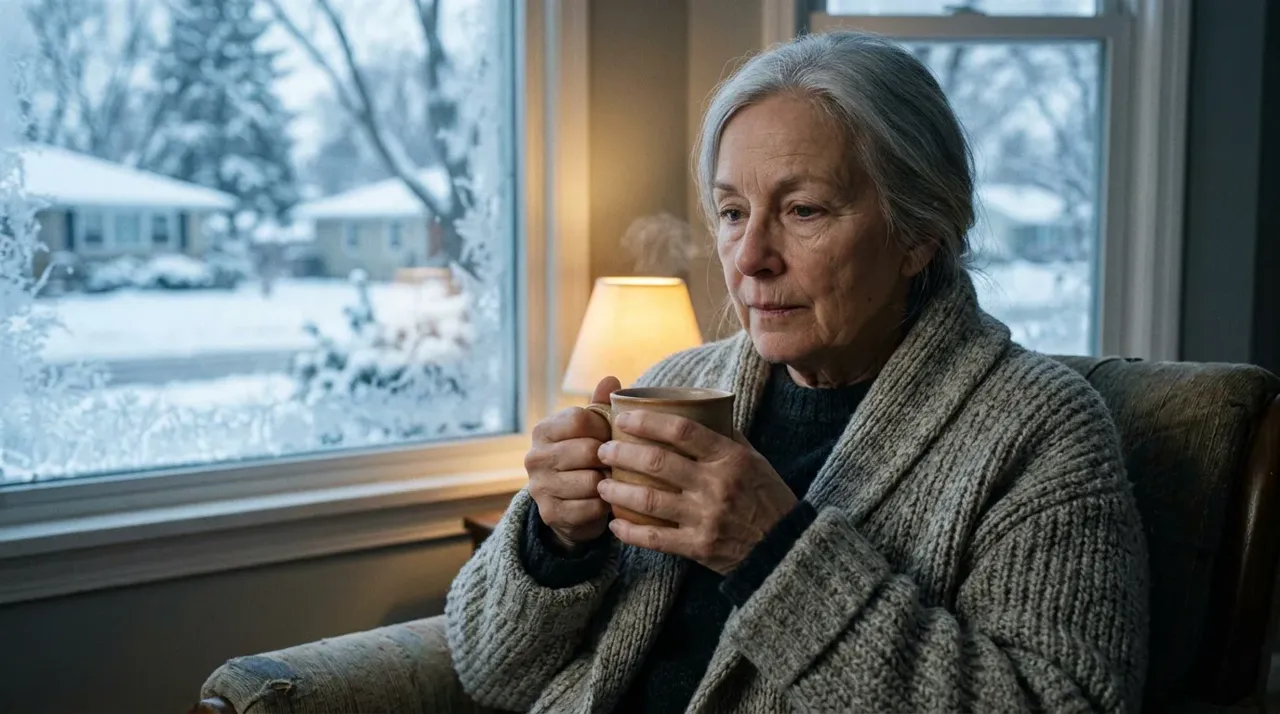
Most of us picture hypothermia as something that happens to a hiker lost in a snowstorm. But the National Institute on Aging (NIA) says about 20% of injuries related to exposure to cold happen in the home. For people over 60, the trouble can start in a living room that only feels a little chilly.
The hard part is that you may not feel it coming. Here is why, and the six early signs worth knowing by heart.
Your Body’s Cold Alarm Rings Late
The CDC puts it plainly: our ability to feel a change in temperature decreases with age. The NIA adds that changes that come with aging can make it harder to notice your body is getting too cold, and that this can turn into a dangerous problem quickly.
Some common conditions make it harder to stay warm, according to the NIA:
- Diabetes can keep blood from flowing normally to give warmth.
- Thyroid problems can affect how well the body holds a normal temperature.
- Parkinson’s disease and arthritis can make it hard to put on more clothes, pull up a blanket or get out of the cold.
- Memory problems can make a person forget to dress for the weather.
Medicines matter too. The NIA says some prescription and over-the-counter drugs, including some cold medicines, can affect body heat. Your doctor or pharmacist can tell you if yours do.

The Number That Surprises People
The NIA recommends setting your heat to at least 68°F. It also says even mildly cool homes, from 60 to 65°F, can lead to hypothermia in older adults.
That is a room many of us would call “a bit nippy” and simply grab a sweater. If you keep the thermostat low to save on the heating bill, this is worth a second thought. There is help for that bill below.
Hypothermia itself means the body’s core temperature has dropped below 95°F. The NIA and the CDC both note it can happen even above 40°F outdoors if you get chilled from rain, sweat or cold water.
6 Quiet Signs Most People Miss
These are the early warning signs listed by the NIA. None of them is dramatic, and that is exactly the problem.
- Cold hands and feet. Easy to shrug off as “just winter.” Treat it as the first nudge to add a layer and check the thermostat.
- A puffy or swollen face. Few people connect this with the cold, so it often goes unnoticed.
- Pale skin. Hard to spot in yourself. A spouse or friend is more likely to see it.
- Shivering or shaking. Shivering is your body working hard to make heat. It is a signal, not something to tough out.
- Slowed or slurred speech. It can be mistaken for being tired or for a medication side effect.
- Feeling sleepy, angry or confused. The sneakiest one of all. It looks like a bad mood or a long day.
If someone you love seems unusually sleepy, cranky or foggy in a cold house, don’t wait for them to say they feel cold.
The NIA explains why number six matters so much: hypothermia affects the brain and makes it hard to think clearly, so people may not realize what is happening or that they need help.
Why a Second Pair of Eyes Matters
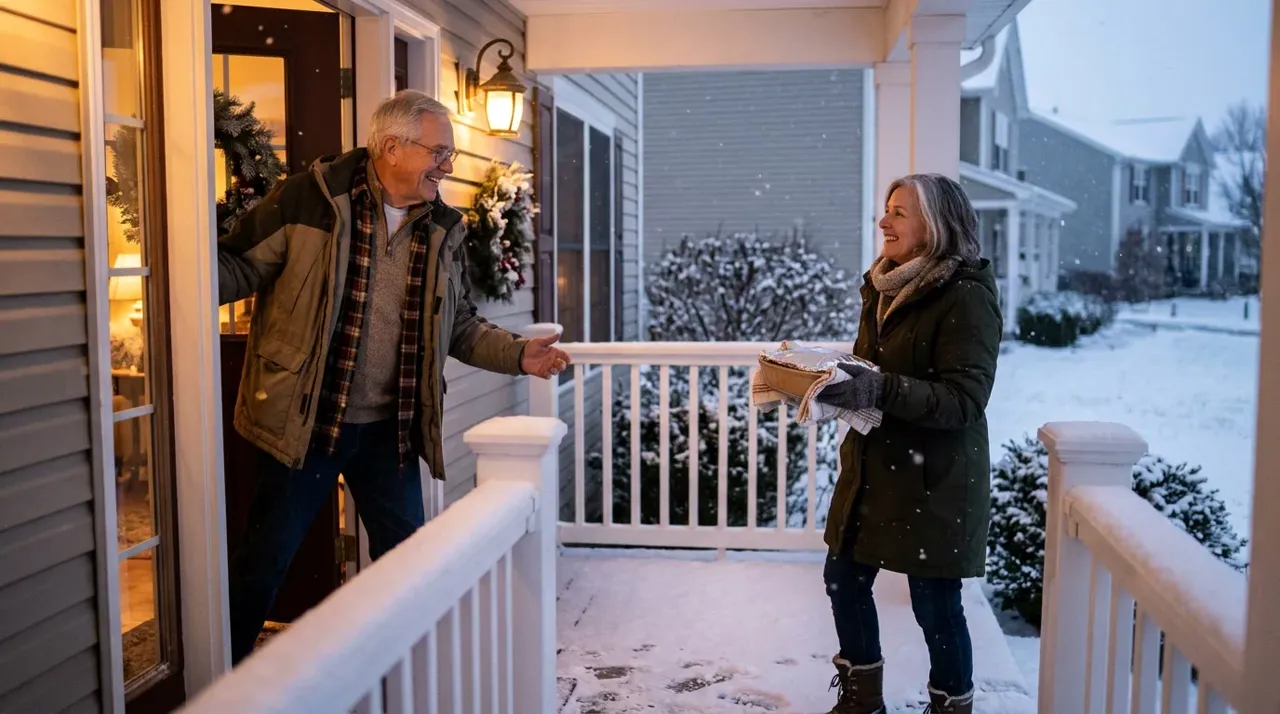
Because the cold dulls your judgment first, the person most likely to catch it is someone else. The NIA suggests asking someone to check on you during cold weather. It also says that if a power outage leaves you without heat, try to stay with a relative or friend.
A simple way to do this: agree on a short daily phone call with a neighbor, a grown child or a friend whenever a cold snap is coming. Two minutes, same time each day. If one of you doesn’t pick up, the other checks in person.
What to Do If You See the Signs
The NIA says hypothermia is a medical emergency. If someone shows the signs, call 911 right away. While you wait:
- Move the person to a warmer place.
- Take off any wet clothing (CDC).
- Wrap them in dry blankets, towels or coats (NIA).
- Offer a warm drink, but no alcohol, and never give a drink to someone who is unconscious (CDC).
- Warm them slowly, starting with the body’s core (chest and belly) rather than the hands and feet. The Red Cross warns against warming someone too fast, such as putting them in warm water.
The CDC adds that if you can, take the person’s temperature. Below 95°F means get medical attention immediately.
4 Small Things to Do This Week
- Put an easy-to-read thermometer where you’ll see it often. The CDC recommends this for anyone over 65, because you can’t always trust how warm you feel.
- Ask your pharmacist one question: “Do any of my medicines affect body heat?”
- Set up your check-in partner before the first deep freeze, not during it.
- Decide where you’d go if the heat went out for a long time: a relative, a friend, a nearby warming center.
If the Heating Bill Is the Worry
Nobody should have to choose between a warm house and other bills. The NIA points to these free resources:
- National Energy Assistance Referral (NEAR) hotline: 866-674-6327. It gives information on the Low Income Home Energy Assistance Program (LIHEAP), which helps with heating costs.
- Eldercare Locator: 800-677-1116. It connects you with your local Area Agency on Aging and senior services.
- Your local Weatherization Assistance Program can help make your home more energy efficient, which lowers heating bills over time.
Be Ready Before the Lights Go Out
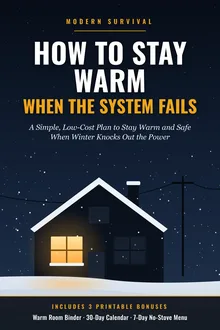
Knowing the signs is the first step. The next is having a plan for the night the furnace stops. Our new guide, How to Stay Warm When the System Fails, walks you through keeping yourself and one room safely warm during a winter power outage, step by step, in plain language. You’ll find it just below.
This article is general safety information, not medical advice. Talk to your doctor about your own health and medicines, and call 911 in an emergency.
Sources: National Institute on Aging: Cold Weather Safety for Older Adults, CDC: Preventing Hypothermia, CDC: Preparing for a Winter Storm, American Red Cross: Hypothermia and Frostbite.