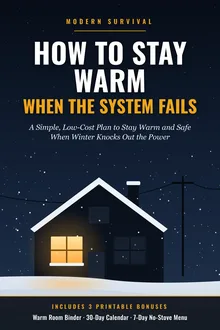
Winter storms don’t have to be dramatic to cause trouble at home. Ice on power lines or a heavy snowfall can knock out electricity for a day or two, and sometimes longer. When that happens, the house gets cold fast, and the stores are often busy or closed.
The good news is that a few simple, low-cost items make a big difference. Most are things you can pick up on an ordinary shopping trip, and some you may already own. Here are ten to have in place before the first big freeze.

1. A Battery-Powered Carbon Monoxide Alarm
This is the most important item on the list. Carbon monoxide (CO) is a colorless, odorless gas, and the CDC warns that it often builds up during winter outages when people use fuel-burning sources of heat.
Put an alarm on every level of your home and near the bedrooms. Choose one with battery power or battery backup, and test it monthly. Expect to spend about $20 to $40.
2. A NOAA Weather Radio
When the power and the internet go out, a battery or hand-crank weather radio can still bring you alerts straight from the National Weather Service. Many models also charge a phone through a USB port.
Keep it where everyone can find it, and put fresh batteries in at the start of winter. Prices run roughly $20 to $50. You can read more at weather.gov.
3. LED Lanterns and Headlamps
Flashlights are fine, but a lantern lights up a whole room, and a headlamp leaves both hands free. LED versions run a long time on a few batteries.
Avoid candles when you can. They are a common cause of home fires during outages. Keep spare batteries in the same spot as the lights. A basic setup costs around $15 to $40.
4. Warm Blankets and Layers
Staying warm is mostly about trapping the heat your body already makes. Wool blankets, a sleeping bag rated for cold weather, and thermal layers do that well, and they never need fuel.
Put on a hat and warm socks, even indoors. Dress in several thin layers rather than one thick one. Gather everyone into one room and close the doors to the colder parts of the house. You can often use what you already own, and a good wool blanket costs about $25 to $60.
Warmth you can wear is the safest heat there is.
5. A Safe Backup Heat Option
If you want a backup source of heat, choose one made for indoor use. Some propane heaters are designed for indoor use, with a low-oxygen shutoff and a tip-over switch. They cost roughly $80 to $120.
Follow the manufacturer’s instructions exactly. That usually means working CO alarms nearby, a slightly open window for fresh air, and plenty of space around the heater. Never run it while you sleep.
Never use a gas oven, charcoal or gas grill, camp stove, or generator to heat the inside of your home or garage. Generators must stay outdoors, well away from windows and doors. If you don’t want a heater at all, items 4 and 6 are enough for most short outages.
6. Stored Drinking Water
If pipes freeze or the water supply is affected, you’ll want clean water on hand. Ready.gov recommends at least one gallon per person per day, for several days.
Store-bought gallon jugs cost about $1 to $2 each. You can also wash and refill clean containers with tap water. Count your pets too. Keep the water in a cool spot where it won’t freeze solid.
7. No-Cook Food
Aim for a few days of food that needs no power to prepare. Think peanut butter, crackers, canned soups and beans, tuna, granola bars, dried fruit, and shelf-stable milk.
Don’t forget a manual can opener. Choose foods your family actually likes, and rotate them into your regular meals so they never go to waste. Picking up a few extra items each week keeps the cost small.
8. A Charged Power Bank
A fully charged power bank can keep a phone going for a few days, which helps you reach family, check alerts, and call for help if needed. A decent one costs about $20 to $40.
Top it up when a storm is in the forecast. Lowering your screen brightness and using battery saver mode stretches the charge. Keep a car charger handy as well, and run the car only outdoors with the exhaust pipe clear of snow.
9. Pipe-Freeze Protection
Burst pipes are one of the most expensive winter problems, and they are often avoidable. Foam pipe insulation costs just a few dollars and works well on pipes in basements, crawl spaces, and exterior walls.
When a hard freeze is coming, let faucets drip slowly and open cabinet doors under sinks to let warm air in. Keep your thermostat no lower than 55°F, even when you’re away. Learn where your main water shutoff valve is, and make sure everyone in the household knows too. Look over the Ready.gov winter weather page for more on home preparation.
10. First Aid Kit and a Week of Medications
A basic first aid kit handles minor cuts, sprains, and burns when it isn’t easy to get out. Ready.gov suggests having at least a seven-day supply of any prescription medications, along with a list of your doses.
Ask your pharmacist about refilling a little early before winter. If you use medical equipment that needs power, talk to your doctor about a backup plan. A simple kit costs about $15 to $30.

Start This Weekend
You don’t have to do everything at once. Pick a few of these and tick them off over a couple of weeks:
- Test your CO alarms and replace the batteries if needed.
- Put fresh batteries in your radio and flashlights.
- Fill a few jugs with drinking water.
- Add a few no-cook foods and a manual can opener to your next grocery list.
- Wrap exposed pipes in foam insulation and find your main water shutoff.
- Check that your prescriptions are refilled.
- Put blankets, hats, and warm socks in one easy-to-reach spot.
- Buy ice melt or sand and make sure your snow shovel is where you can reach it.
- Charge your power bank and your phone.
For a step-by-step plan covering more than winter, you’ll find it in our Urban Survival Handbook. Take it one small step at a time. Being ready for the cold is mostly about calm, simple habits, and you can build them before the first snowflake falls. The National Weather Service winter safety page is a good place to check before each storm season.